
From Sloth to Cheetah to Bear
Decoding the evolution of muscle physiology
How have animals evolved extraordinary physiological adaptations and disease resistance, and how can we harness these adaptations to improve human health? Research on remarkable animal adaptations has already led to major medical breakthroughs, and we believe many more discoveries await.
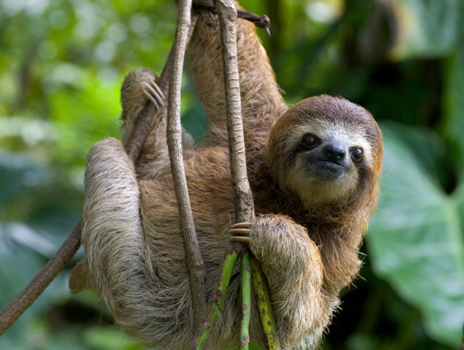
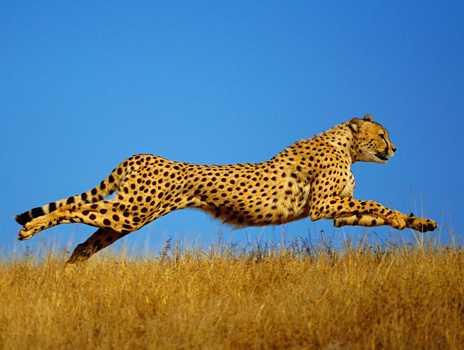
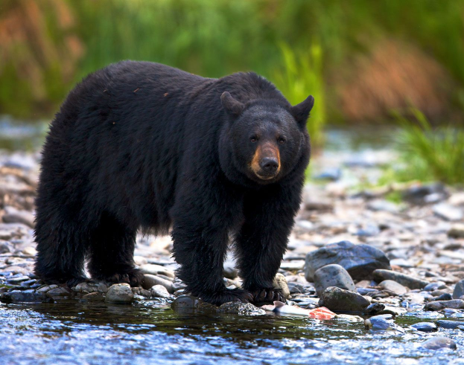
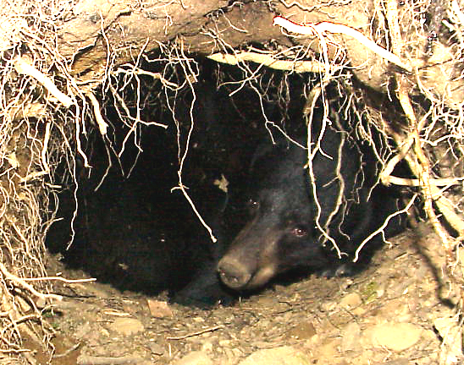
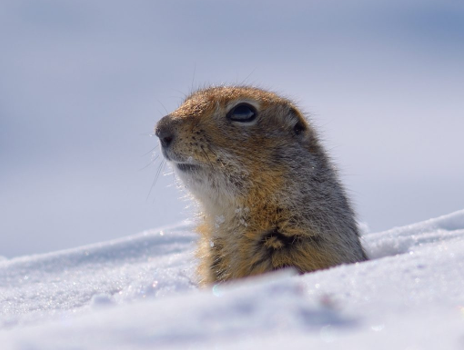
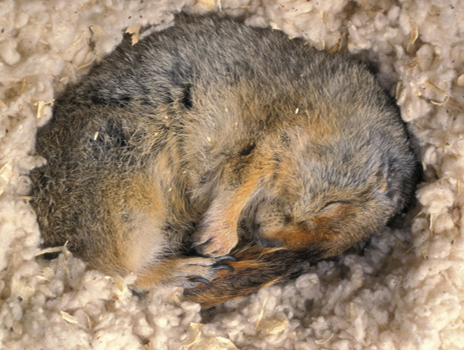
Our lab studies how evolution generated extraordinary skeletal muscle adaptations across mammals, from rapid muscle contraction in cheetahs and slow movement in sloths to muscle preservation during months of inactivity in hibernating species.
By combining comparative genomics, single-nucleus multiomics, muscle physiology, mouse models, and 3D muscle organoids, we aim to discover new mechanisms that protect muscle in disease and aging.
Our lab officially launched on September 1, 2026, in the Department of Developmental Biology at Washington University School of Medicine in St. Louis. We are currently recruiting motivated postdoctoral fellows and PhD students. If you are interested in joining our lab, please send your CV to matthieu.dossantos@wustl.edu. Learn more about joining our lab.